
2026
2025
2025
2022
2019
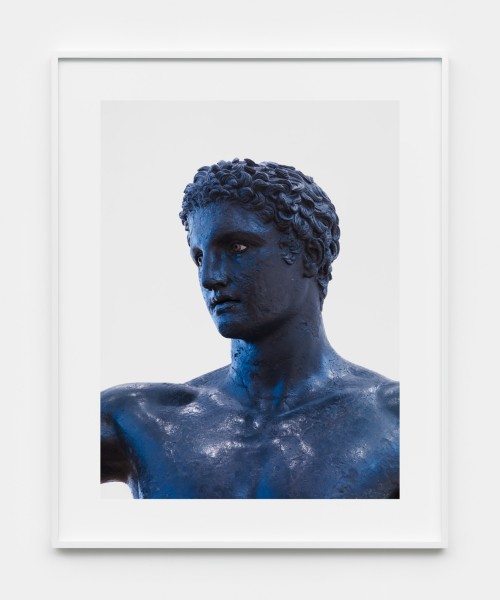
2014
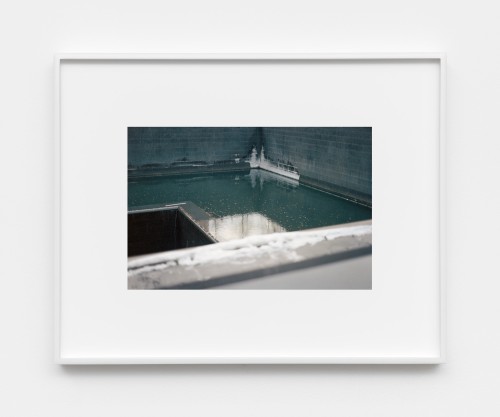
2018
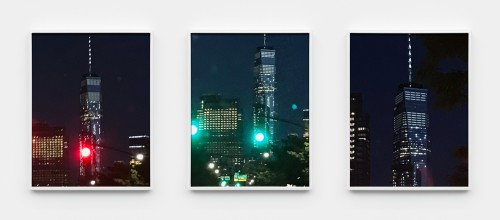
2018
2018
2018
2017
2016
2016
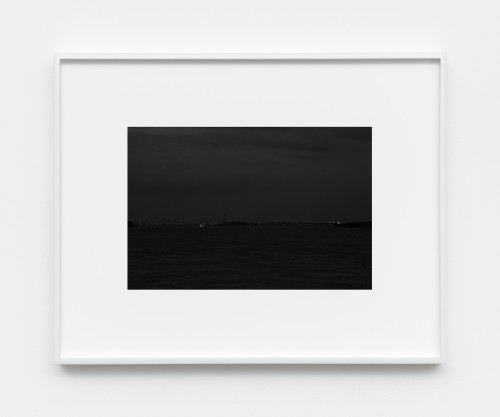
2016
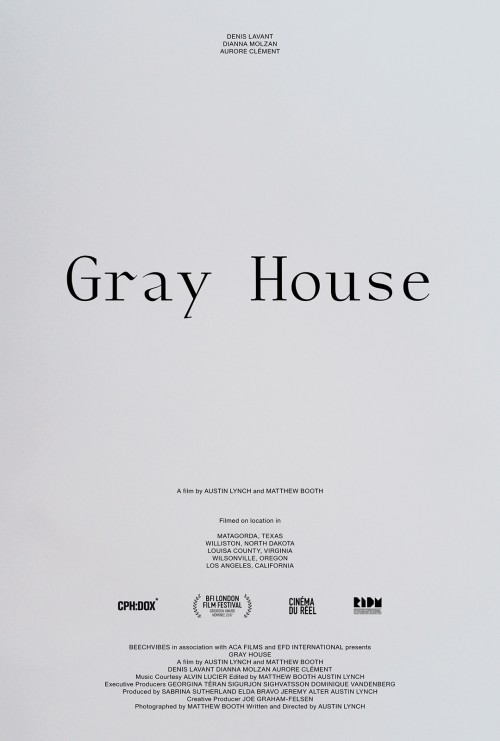
2017
Gray House
by David Tasman
18 October 2017
frieze.com/article/gray-house
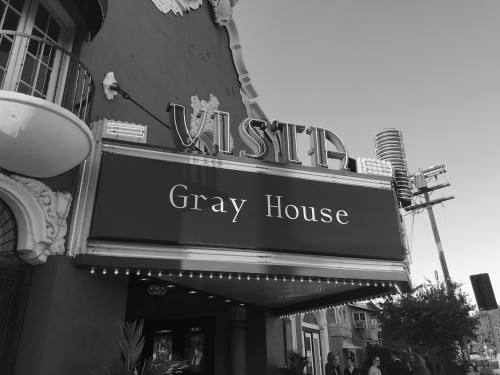
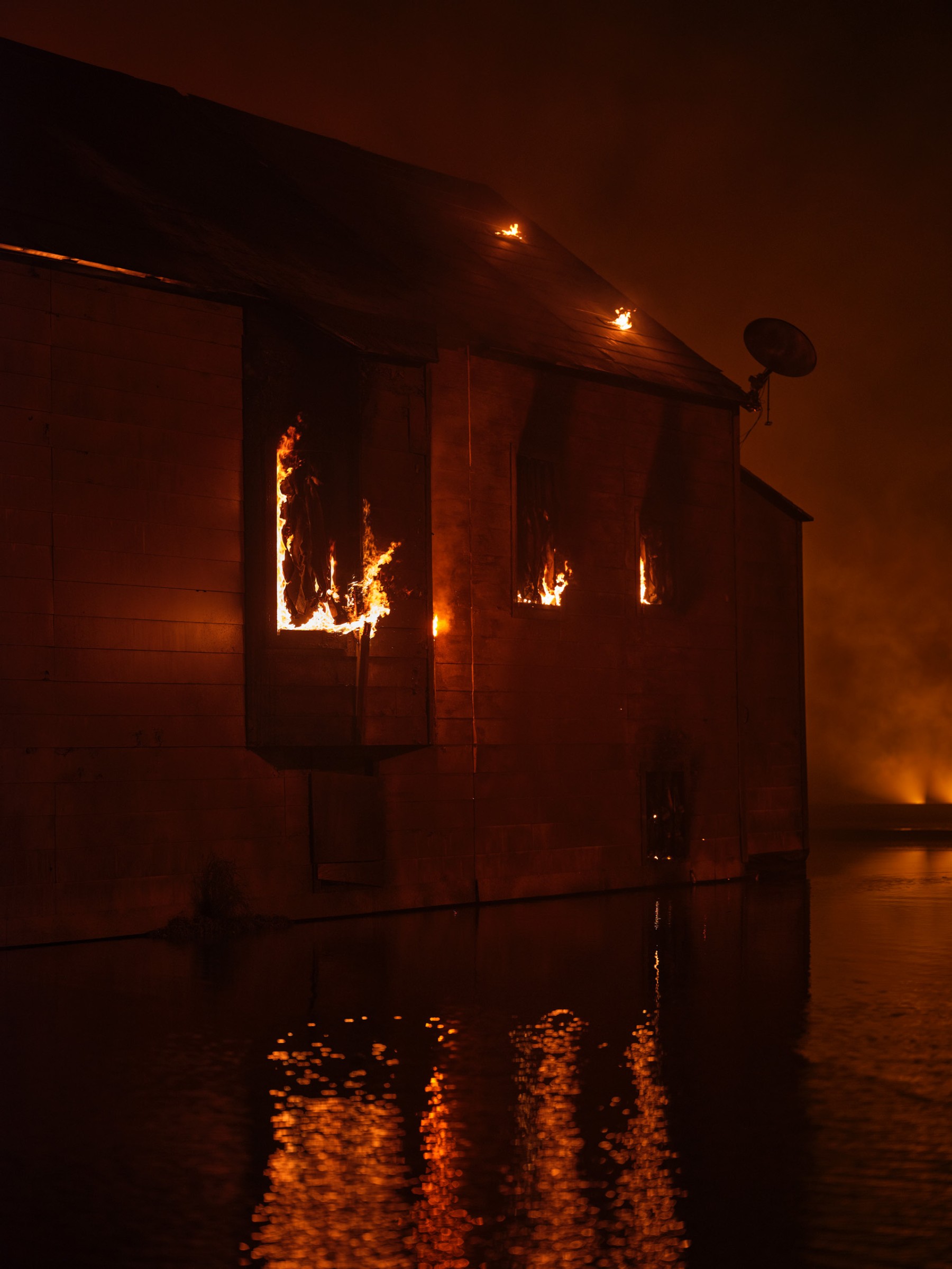
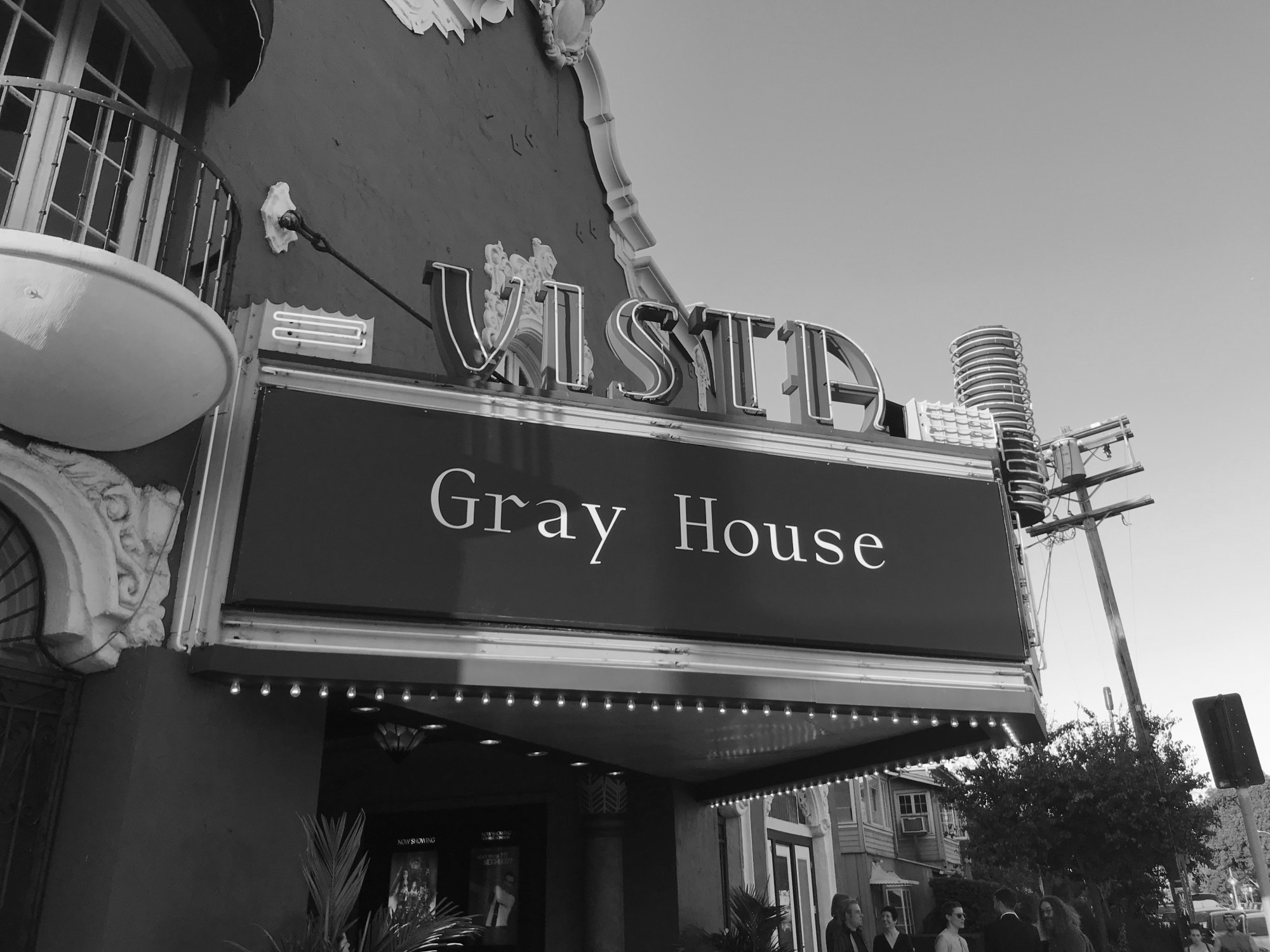
Gray House (2017), the experimental documentary and debut feature film by Austin Lynch and Matthew Booth, is a visual poem told in five seemingly unrelated parts. The first closes with a man going through a door into a small fishing shack, and the last concludes with a woman getting dressed, leaving her modernist villa and locking the door behind her. What happens between the door of the grey fishing shack and the door of the house make up the psychological interior of the film, a cinematic cocoon where dream-like meditations on intentional ways of living are told through the stories of a solitary fisherman in rural Chinquapin, Texas; a men’s work camp in the remote Bakken Oil Fields of North Dakota; a mixed-gender commune in Virginia; a women’s federal penitentiary in Oregon, and a middle aged woman in her Los Angeles home. What ties together the film’s disparate parts is initially unclear, but the search for connections in the structure ultimately begins to reveal meaning.
As its starting point is the life of American artist and pseudo-hermaphrodite Forrest Bess (1911–77), and his interest in aboriginal rites that sought to unite the masculine and feminine provides a cipher to the order in which the film unfolds. While Gray House – which was screened in the documentary competition of the recent BFI London Film Festival – is not a biography in any ordinary sense, Bess’ obsession with duality makes its way through the film structurally: the first two chapters depict only male characters, the central chapter depicts both males and females, while the last two chapters depict only female characters. Contemplating the film in this light, other dialectics emerge including exterior and interior, day and night, the natural and the constructed; the latter not only appears as landscape and architecture (consider both as characters in the film) but also in Gray House’s deployment of documentary and fiction.
The first, third, and fifth chapters all portray actors introduced into a natural environment. Impeccably cast, these segments star Denis Lavant, artist Dianna Molzan, and Aurore Clément respectively. The second and fourth segments are comprised of straight documentary footage in the form of interviews with men working at an isolated fracking compound and with women at the Coffee Creek Correctional Facility and Intake Center. In the first segment, the fisherman (likely modelled on Bess who fished to support his painting), pilots a shrimp boat at dawn and is seen labouring alone, operating the winch that reels in the nets, sorting and finally storing his catch in a temporary holding tank in front of his corrugated steel hut, one of several set pieces made by the artist Joe Graham-Felsen.
Gray House is a majestic and powerful work and within its structure and imagery, rather than plot or narrative, is where meaning is found. As the camera holds steadily on the wake of turbulent water behind a fishing boat, it transforms the frame into the portrait of a machine disturbing nature, or a statement; machines disturb nature. When on the oil field in Williston, North Dakota, a workman observes that, ‘when you are with 27 pieces of equipment – all with one purpose – to create pressure to go into the earth, the pressure, the atmosphere, you actually feel it in your whole body,’ I have the impression that he could be reflecting on the process of filmmaking. At times in Gray House the camera seems to penetrate America with the blind and relentless patience of a drill head, extracting images to be sorted and graded.
Gray House rejuvenates the shomin-geki or shōshimin-eiga style of filming, a realist style exemplified by Yasujiro Ozu’s Late Spring (1949). While in Late Spring still frames are inserted between action shots to create pause and a sense of time passing, a device which Gilles Deleuze calls ‘still-lives’ and what Noël Burch calls ‘pillow shots’, in Gray House the proportion is inverted to the effect that action shots are the short concentrated scenes bracketed by lingering meditative ones that hold for a longer duration before or after what little action may occur. ‘These moments of real stillness, of potency, come out of photography, they keep working on you as you look at it,’ director of photography Matthew Booth says.
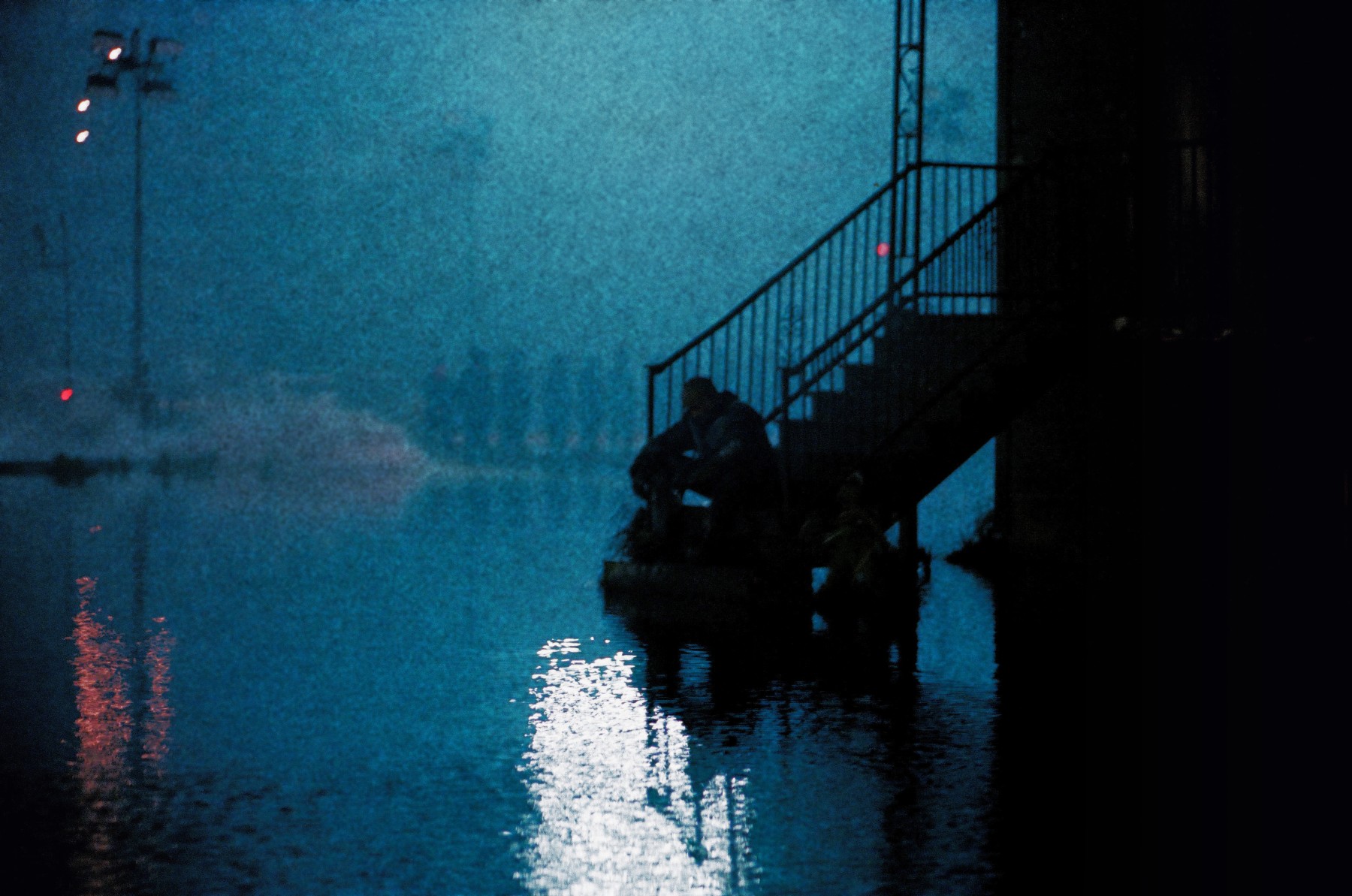
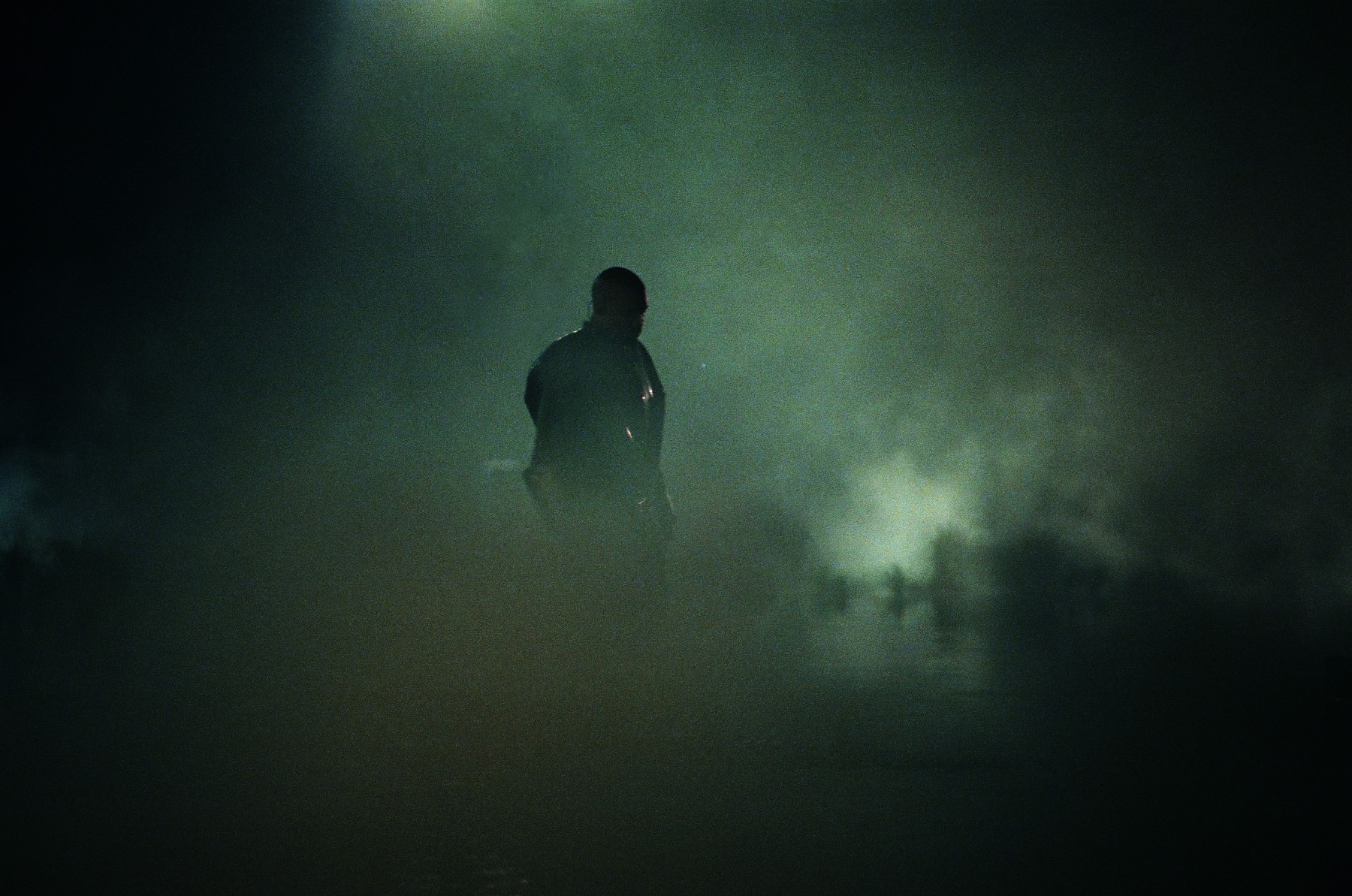
Shot in Arriraw on an Arri Alexa and painstakingly colour corrected at FotoKem in Los Angeles, the film is rendered in excruciatingly high resolution which lends an element of tension to the frozen images. Still images throughout the movie are masterfully deployed and tend to elaborate on the motif of duality. Some frames portraying nature appear bisected: one half of the screen dry land and the other half gently moving water. In other scenes shot at dusk or dawn electric lights, like fallen stars, perforate the horizon. Sometimes the stillness can be startling, such as when a figure appears completely frozen until they minutely stir. Action is often absent, but the tension is palpable, at times accentuated by the film’s unnerving sound design by Joel Dougherty and Philip Nicolai Flindt. The music of experimental composer Alvin Lucier floats over images of stationary fracking machinery or the uninhabited corridors of the penitentiary; growing in a crescendo from a nearly inaudible hum, its noise recasts banal imagery as distressing and uncanny, standing in for forces unseen.
For director Austin Lynch Gray House is an experiment about, ‘how to structure a film on something other than a plot line, to create a focus on every action and how they can become profound through filmmaking.’ Camera movement happens infrequently and when it does occur, zoom and dolly shots become like brushstrokes on a canvas, a type of mark-making that makes subtle connections between scenes. Movement appears to signify moments of transition such as in the middle of the film when the frame moves ever closer to an imposing boulder in a fictionalized segment focusing on a bucolic commune shortly before cutting away to the next chapter, a documentary segment on incarceration, as if we had moved inside the stone itself. In this way, Gray House shares something with Jean-Luc Godard, not only his mingling of fiction and reality, but the way in which the tension in his films becomes secondary to the film itself. Take for example Godard’s Goodbye to Language (2014) where the method of production becomes its own character in the experience, loaded with meaning. ‘Gray House is a film deeply about its own making.’ Lynch said to me during a recent conversation. ‘Prison,’ he continued cryptically, ‘like the film, is a structure, with individual cells inhabited by the people that live there.’
Lynch and Booth lead the audience to strange and terrific places, but they go only so far as to clear away the top soil. In the end the shovel is in the hands of the audience who, should they so choose, must themselves do the digging.
David Tasman works at the intersection of art and architecture in New York. As a writer he has contributed to DIS Magazine, PIN-UP and Kaleidoscope. With Carson Chan and Eeva-Liisa Pelkonen he co-edited Exhibiting Architecture: A Paradox? (Yale School of Architecture, 2015).
2017
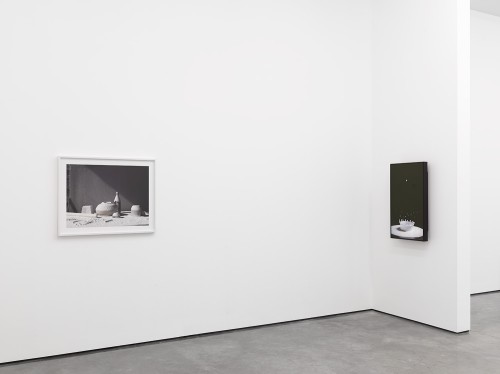
2013
Matthew Booth's Instances
by David Campany
In 1928 the German photographer Albert Renger-Patzsch published the book Die Welt ist Schön (The World is Beautiful), one hundred photographs ranging across everything from plants, animals and trees to fabrics, architecture and industrial machinery. Renger-Patzsch was a versatile photographer of great technical ability, equally at ease with an advertising still life or reportage. Although a bestseller at the time, The World is Beautiful has a slightly dubious reputation because some notable critics disapproved. In particular, Walter Benjamin felt this was photography at its most conservative and complicit. The voracious and indiscriminate camera is permitted to eat up anything and everything, only to spit it out as aestheticized mush to be reconsumed by equally voracious and indiscriminate viewers. For Benjamin: “The creative in photography is its capitulation to fashion. The world is beautiful— that is its watchword. Therein is unmasked the posture of a photography that can endow any soup can with cosmic significance but cannot grasp a single one of the human connections in which it exists, even where most far-fetched subjects are more concerned with saleability than with insight.”
How different it might have been had the publisher not insisted upon that title. Renger-Patzsch wanted to call his book Die Dinge. Things. No ‘world’, no ‘beautiful’, just ‘things’... seen in and as photographs. The publisher hoped to sew the world together; the photographer wanted to pull it apart and stare at it. And how differently we might view the movement with which Renger-Patzsch is associated. Neue Sachlichkeit or New Objectivity doesn’t really get at the strange delirium that comes from trying to be new and soberly objective. Images won’t carry meanings the way trucks carry coal.
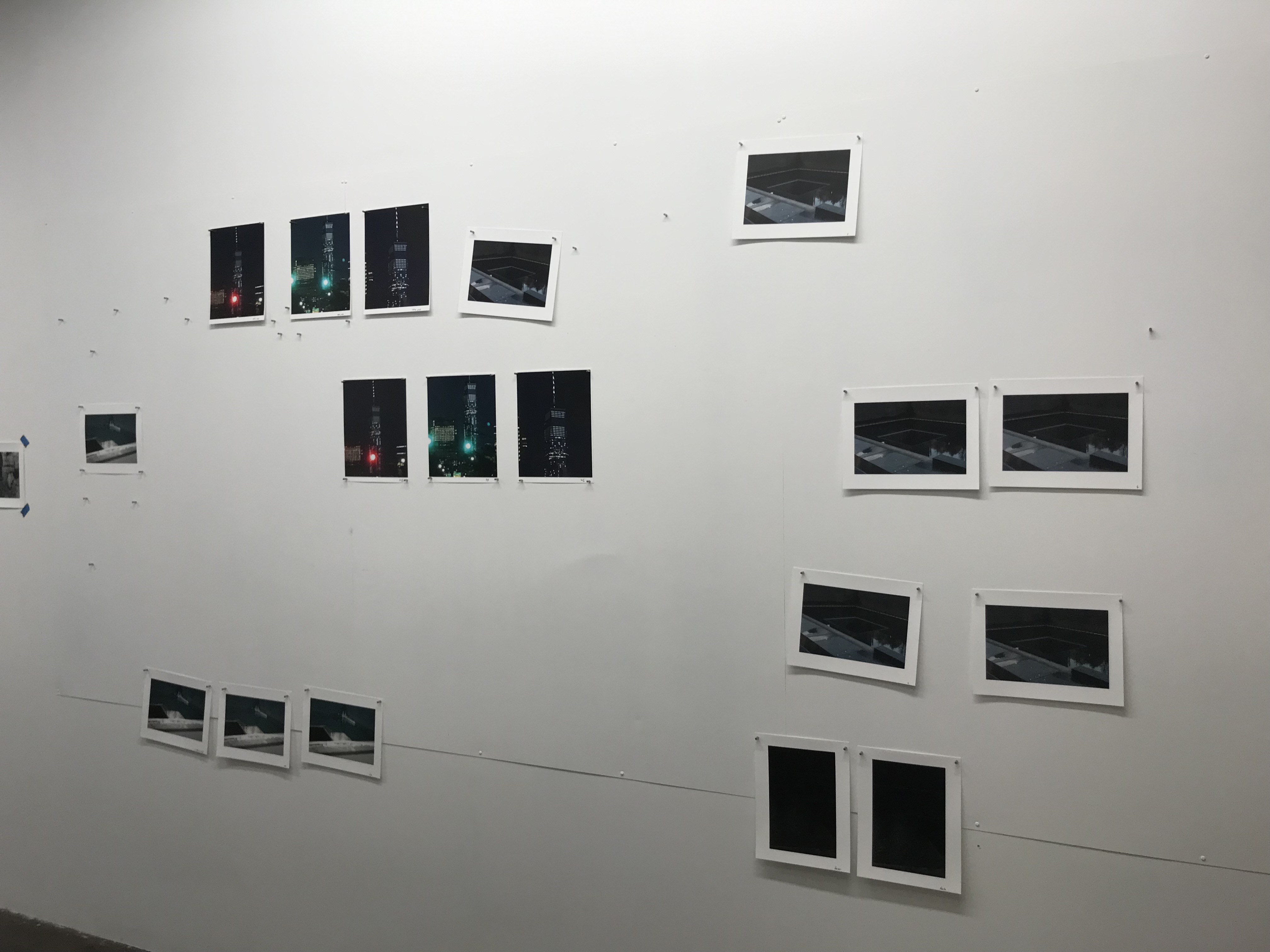
While Matthew Booth does not exactly take up Renger-Patzsch’s cause, his work is exemplary of a renewed tendency in photographic art towards range, motivated by a fascination with the thingliness of the world and its depictions. The subject matter, the techniques, the genres and the frames of reference are almost bewilderingly diverse. Each photograph is made on its own terms with its own aesthetic goals and challenges. Booth makes no series, sets or suites of images, preferring the Haiku-like qualities of the photograph as discrete depiction or proposition. And then the careful choreography for the wall of these separate specimens puts forward a mosaic impression. A straight documentary picture rubs shoulders with an arch scene of overt contrivance. A scientific looking document is placed in relation to a still life. Booth’s presentations are clusters of non-sequiturs that ask to be seen as a partial map of the photographic universe.
Photography became modern in the 1920s through this dialectic between the one and the many. It was a medium that had penetrated every corner of life and this was to be accepted as its condition. Whatever status photography would have in art would be connected with its status outside of art. So the gallery became a space to look from the sidelines at the general field of the photographic, to engage directly or indirectly with a commentary upon the image world at large.
Art has thus come to function either as an operating table to which the different forms of the photographic are brought for creative reflection, or as a set upon which they can be can be reworked and restaged. These two metaphors—operating table and set—map the two key impulses of photographic art: the forensic interest in detail and the theatrical interest in mise-en-scène, or staging. All photography as art is somehow obliged to enter into a dialogue either with its potentials as evidence and artifice. So whatever the richness of photography’s artistic project, its status is not autonomous but heteronomous and will not resolve. This is the source of its renewal and its productive ambiguity.
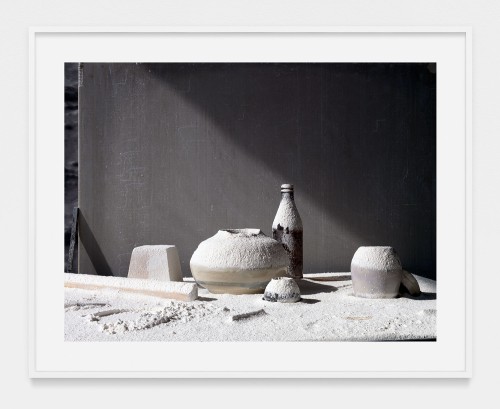
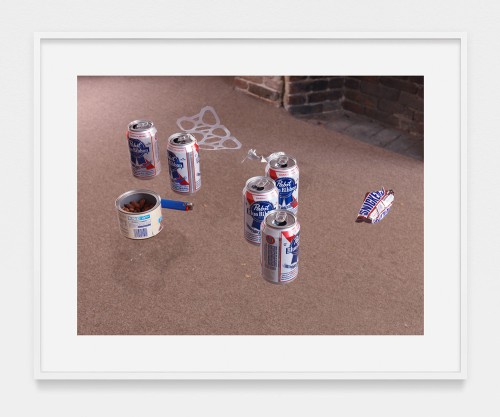
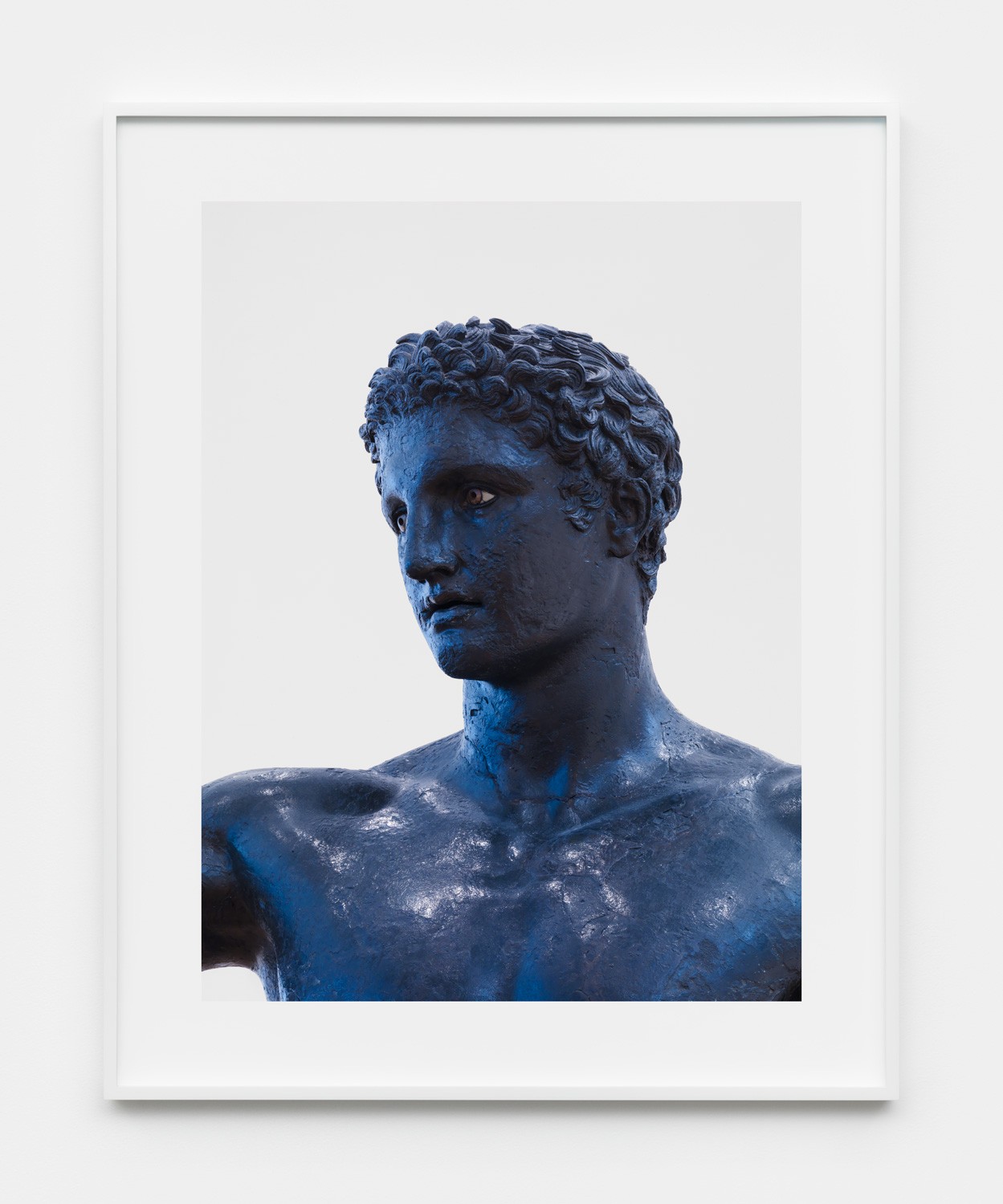
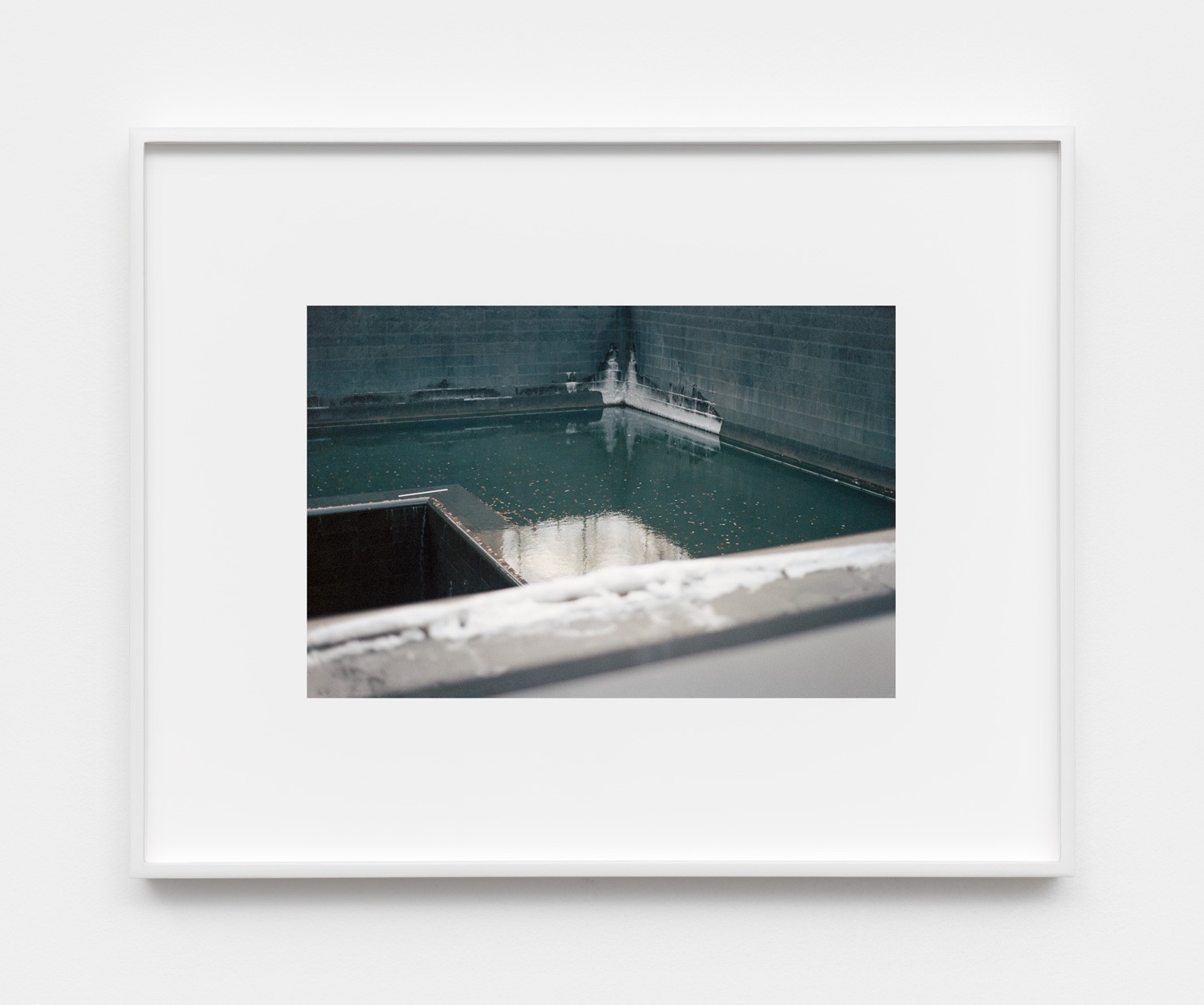
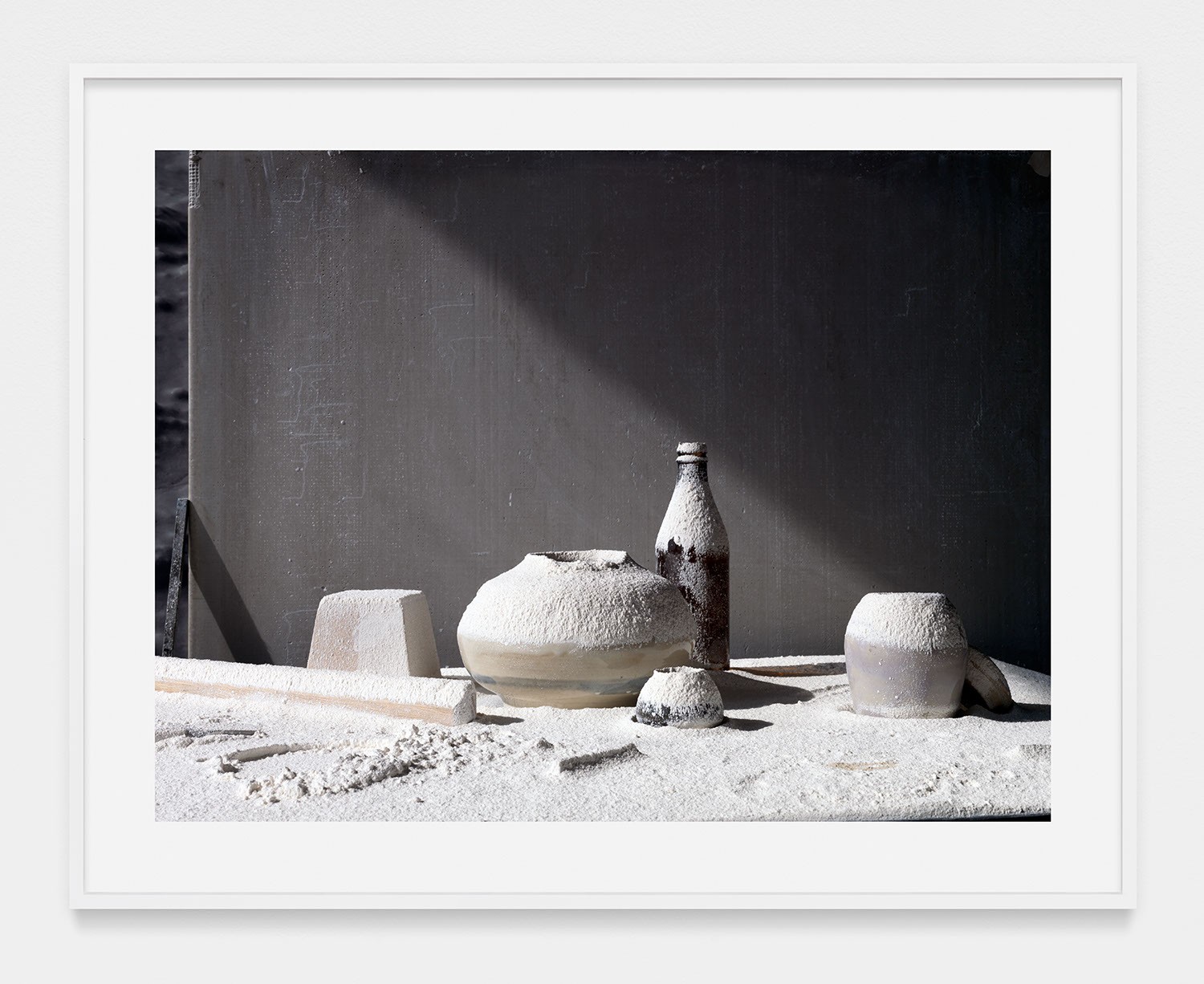
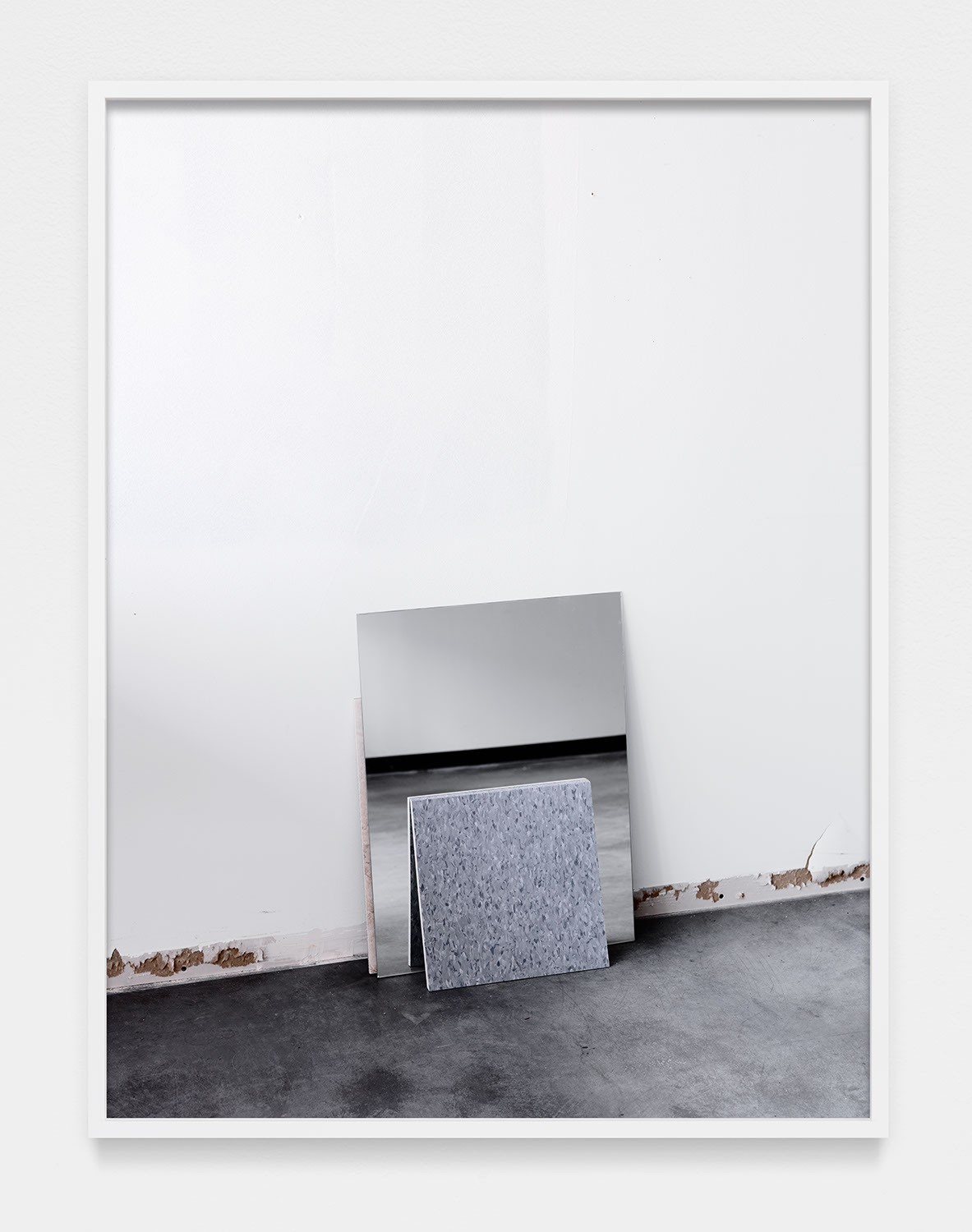
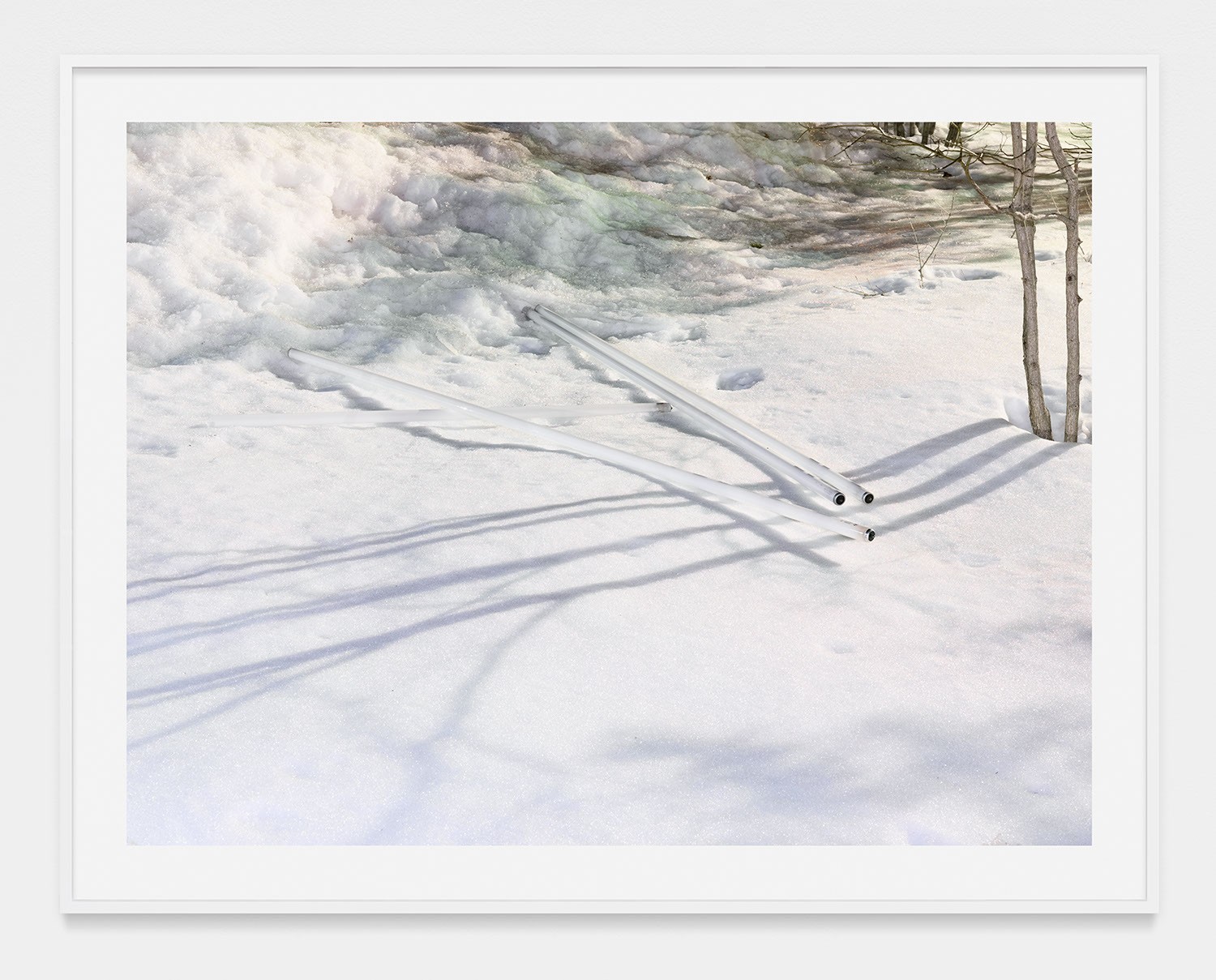
Matthew Booth’s varied photographic practice accepts this predicament and uses its energy. He is a thoroughly reflexive image-maker, equally aware of the myriad ways his medium is able to hint at its own condition. For example, a snow-white still life- cum-landscape of ambiguous dimension shows the crumbly, undulating surface of diatomaceous earth, one of those naturally occurring substances with countless industrial applications. You find it in plastics, rubbers, toothpaste, insecticide and as a matting agent in the manufacture of photographic paper. Titled simply Diatomaceous Earth (2010) the image plays with photography’s love of surface while underscoring its own industrial sheen. Meanwhile Studio surfaces (2011) is Booth’s take on the empty space of creativity. On a mottled grey floor, a square marble tile (or is it plastic?) rests against a mirror (or it is a photograph?) propped against a shabby white wall. Planes and spaces multiply out of next to nothing. Finishing Room (2012) shows blue rubber gloves on a polishing machine, on which is a safety notice: ‘Always Use Approved Eye Protection When Using Any Hand or Power Tool’. Linhof Master Technika 2000 (2012) shows the body of the eponymous camera without its lens, placed on a mid-grey backdrop as an impromptu meta-still life. In Fluorescent tubes, New Haven, CT (2011), the white tubes lay on white snow lit by an unknown artificial source. Shadows of saplings fall across the tubes. It’s a deft and incongruous riff on photography’s age-old attraction to light. Other works hint at the slippery place of photography in our era of technological convergence. Two images, both titled August 8, 2009 (2010 and 2011) give us different versions of a fatal mid- air collision of a helicopter and light airplane over the Hudson River, which was originally caught by an amateur photographer on a Circle Line Cruise. In Santos Party House (2010) youthful hands converge on an iPhone, picked out from the gloom by flashlight that makes it look like an advertising shoot from some ill-defined era.
Whatever these images may suggest about the medium they do so in relation to the variety of environments in which cameras are found and bound. When photography is only photography it isn’t even photography. The medium’s dependence on subject matter throws even the most hermetic image out of itself and into other things.
For much of the history of the medium the word ‘instant’ has been associated with matters of time. Shutters clicking, flashes flashing, motion arrested for contemplation or close inspection. No doubt these associations are with us still although in art at least they have become rather convoluted. But then there is the photograph as ‘instance’, less dramatic perhaps but with just as much bearing on our understanding of photography. Instance as ‘example’. ‘For instance’. ‘Consider this’. ‘May I draw your attention to?’ Photography points out and presents the world as a sign of itself. ‘Look. Behold.’ This simple act of ostension, or pointing out, can be disarming. Have you ever seen close-up magic, where you sit at a table opposite someone who proceeds to fox you in the name of entertainment? Cards tricks performed slowly. Cups and balls. Metal rings. The more the magician plays it like an instructional demonstration, the more perplexing it is. Only in photography is the act of laying bare a source of profound inscrutability.
2013
2013
2013
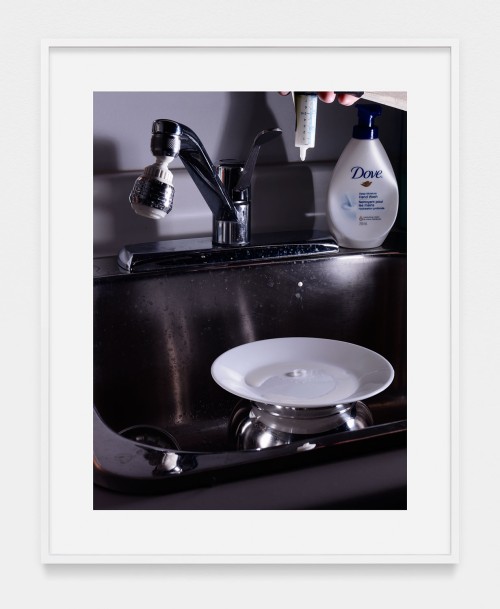
2013
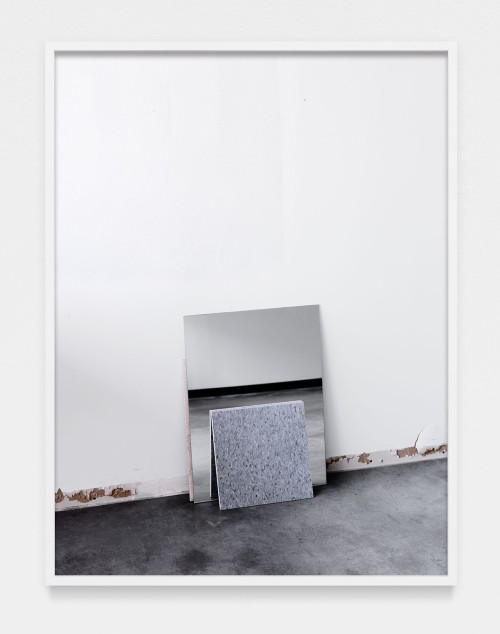
2011
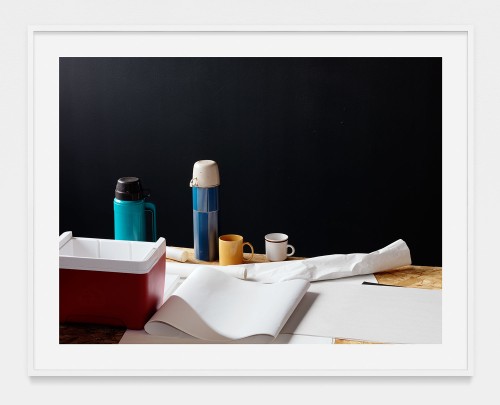
2010
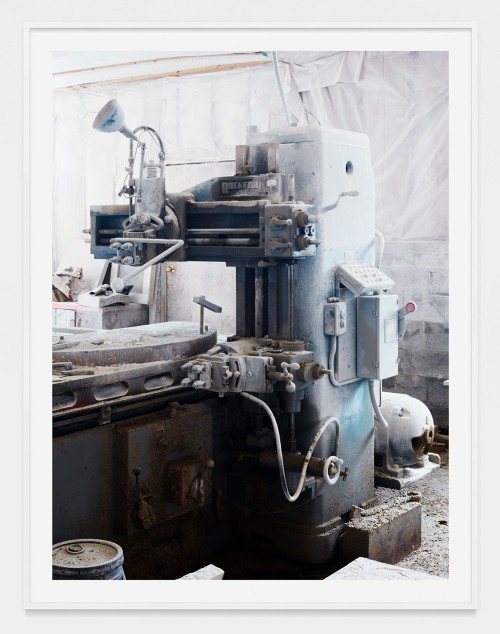
2012
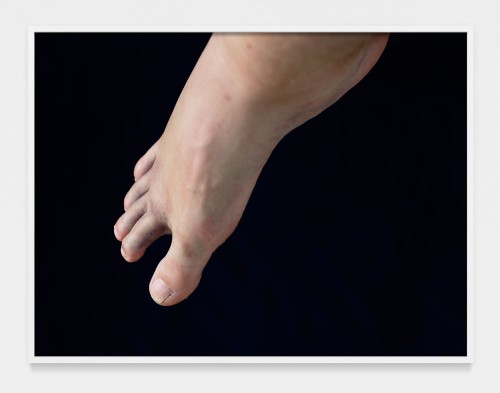
2010
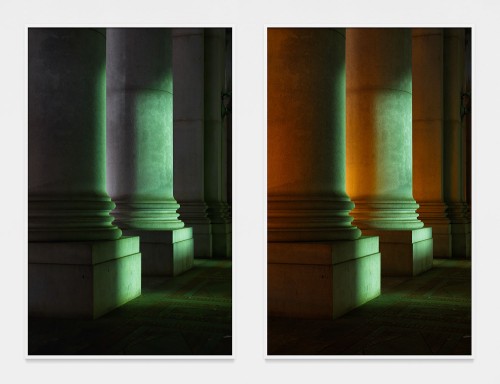
2012
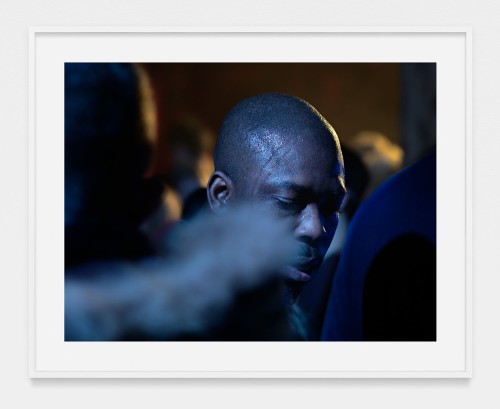
2013
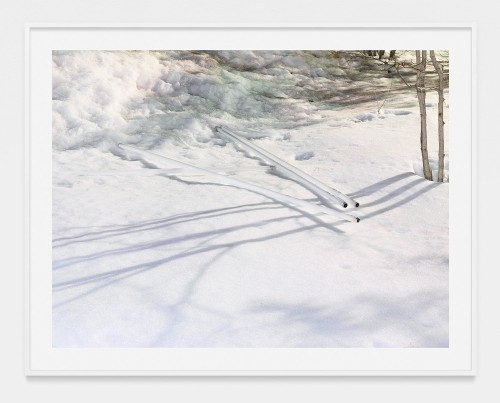
2011
2010








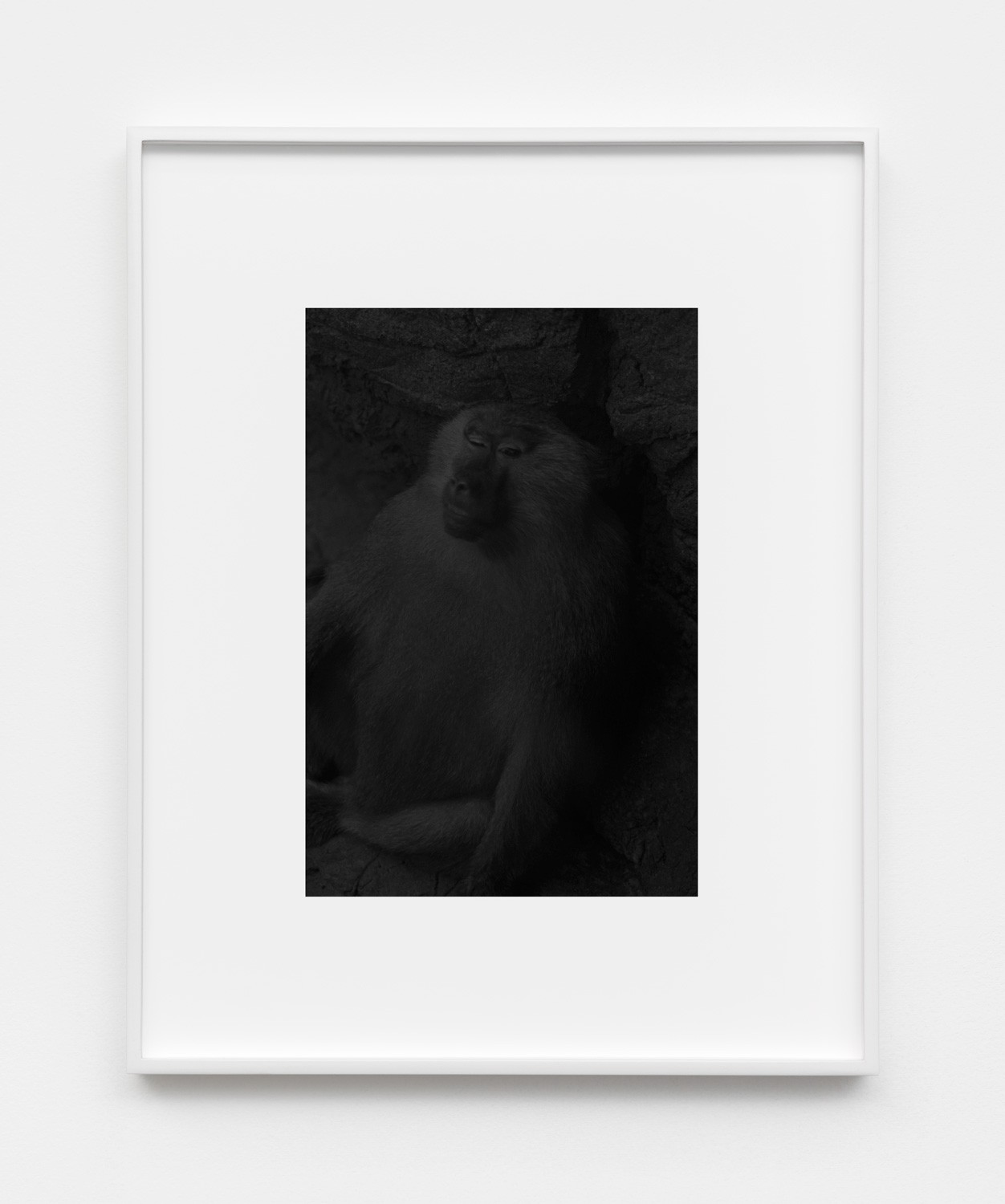

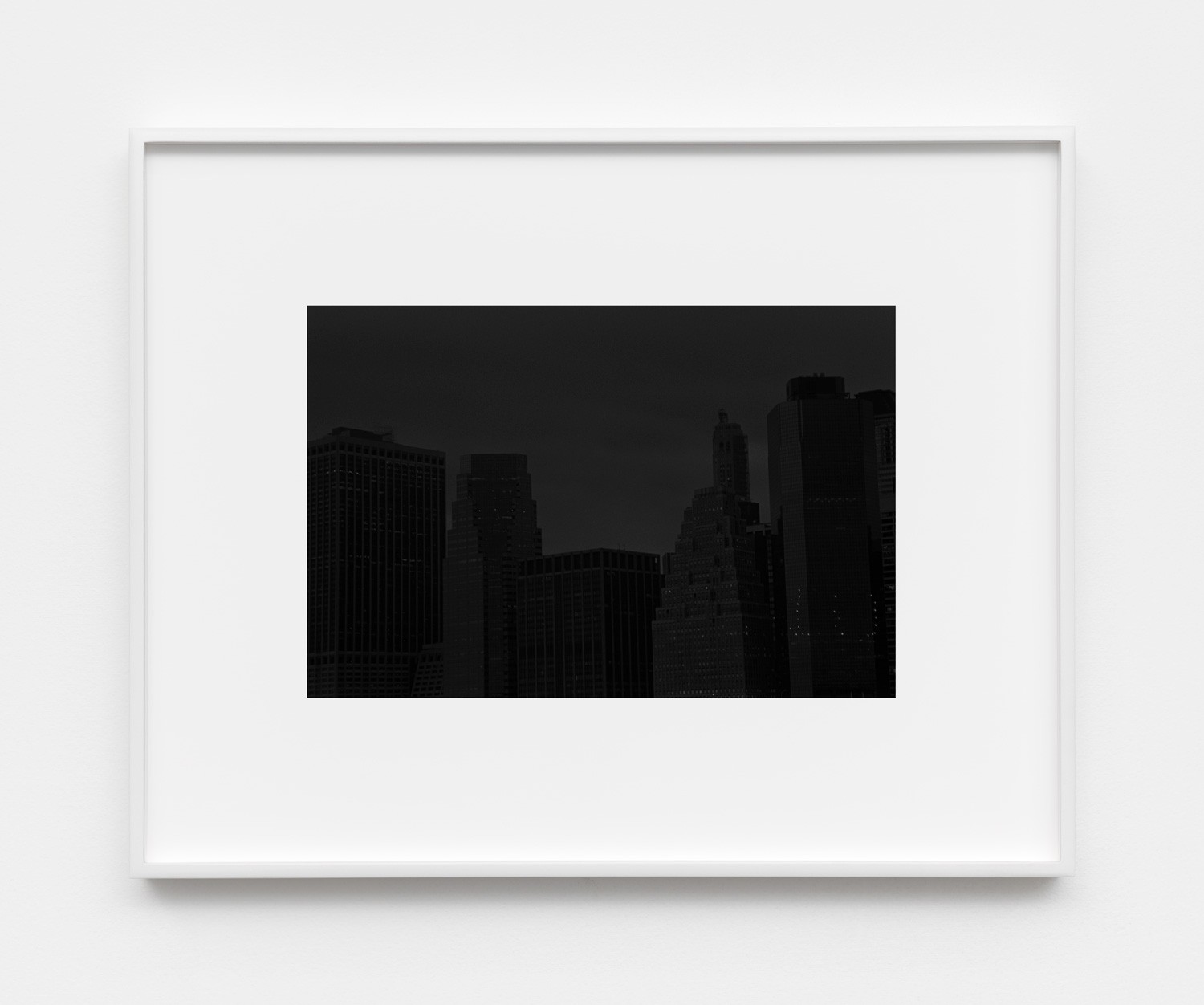

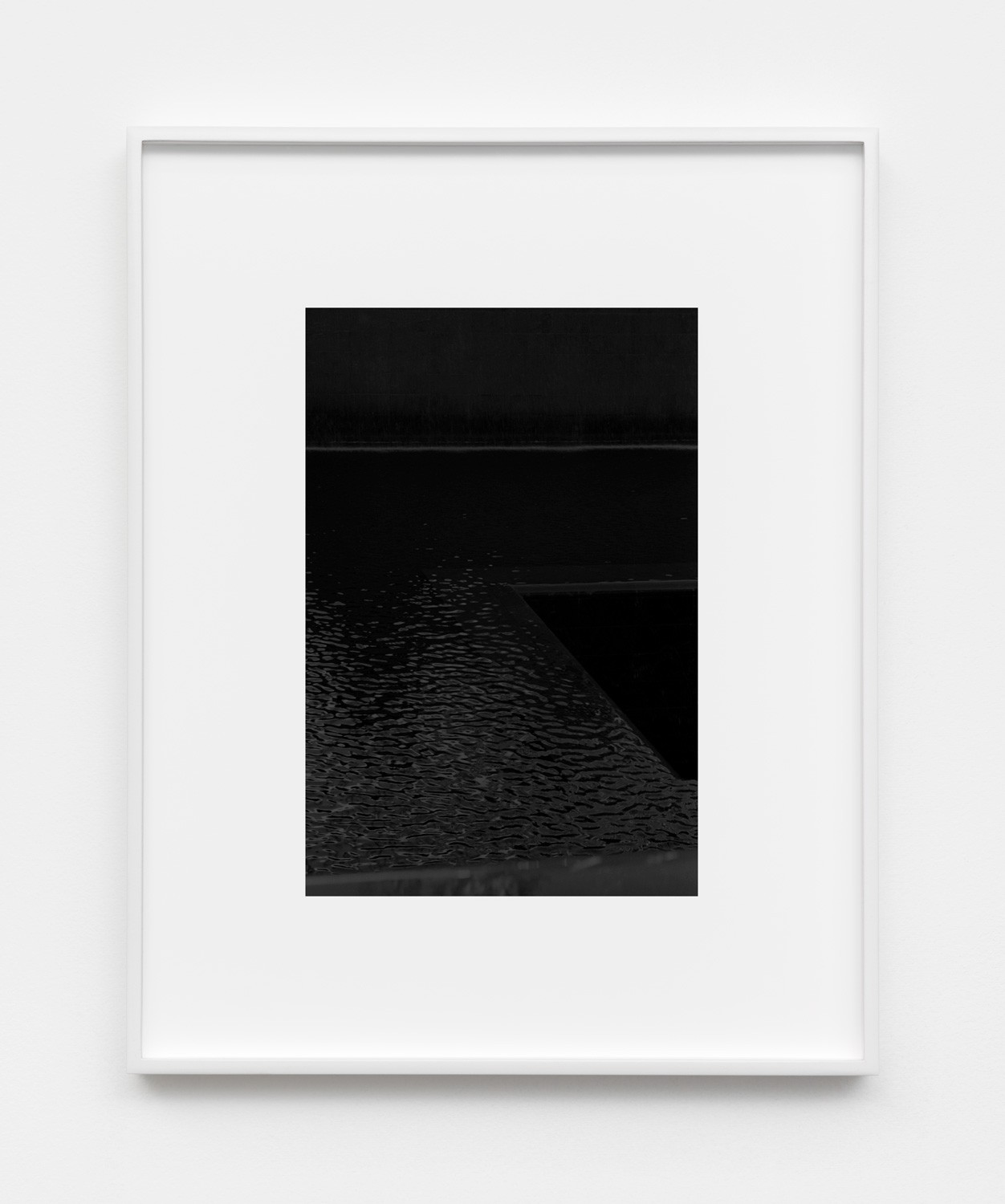

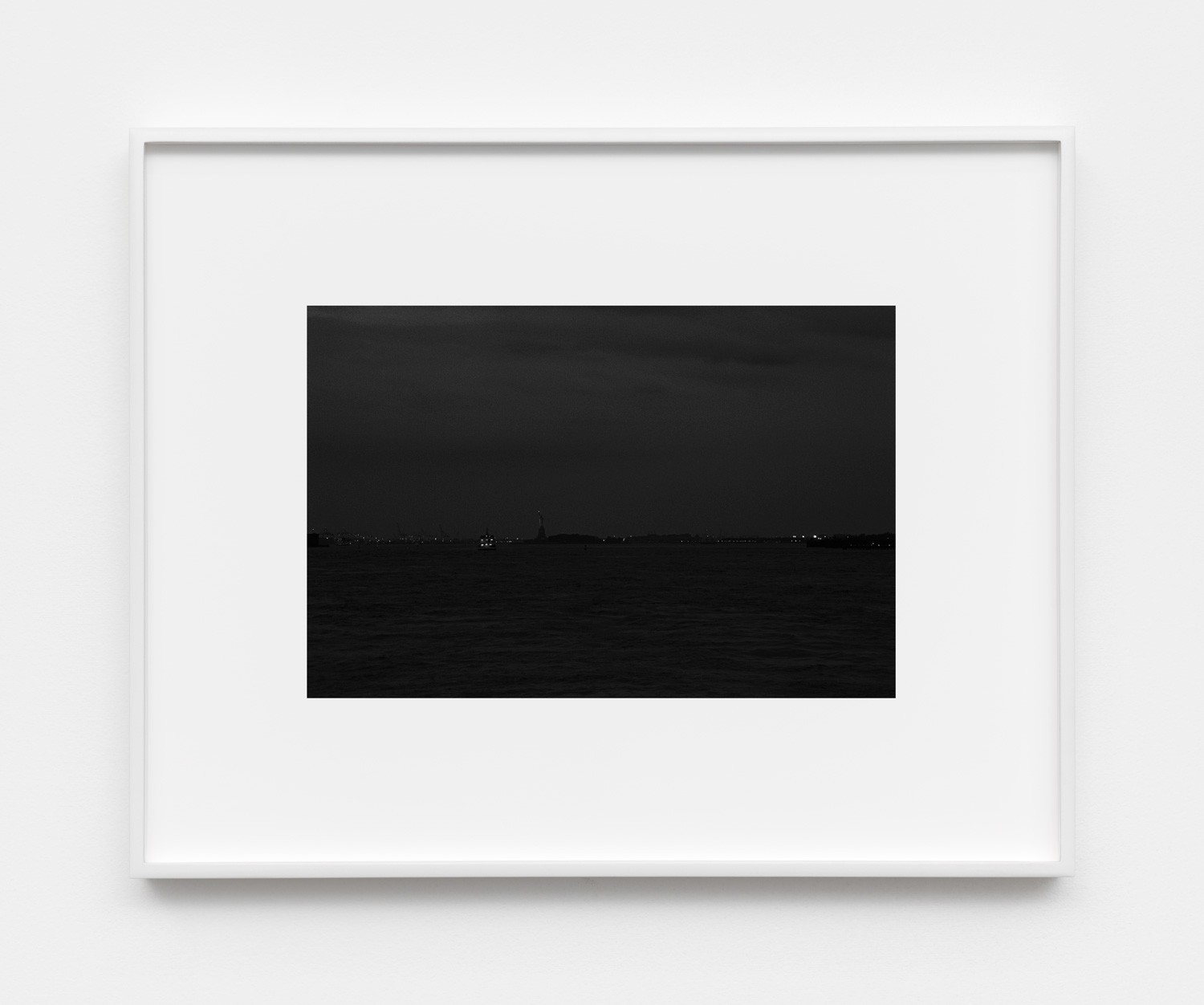










Education
2011
MFA, Photography, Yale University, New Haven CT
2006
BFA, Photography, Emily Carr Institute of Art and Design, Vancouver, BC
Filmography
2017
Co-Author and Cinematographer, Gray House, 76 min.
Selected Screenings
2019
Gray House, National Gallery of Art, Washington, DC
2017
Gray House, Lincoln Center, New York, NY
Gray House, Centre Pompidou, Paris, FR
Gray House, Institute of Contemporary Arts, London, UK
Gray House, CPH:DOX, Copenhagen, DK
Gray House, Greek Film Archive, Athens, GR
Solo Exhibitions
2018
Evening, Melanie, New York, NY
2013
Inside the White Cube, White Cube, London, UK
Selected Group Exhibitions
2021
Friends & Family, Magenta Plains, New York, NY
The Real and the Record, MOMus Thessaloniki Museum of Photography, Thessaloniki, GR
2019
A World of Statues, Foxy Production, New York, NY
2018
Scripts for the Pageant, Kristina Kite Gallery, Los Angeles, CA
2016
We Were Here: Absence of the Figure, Orange County Museum of Art, Newport Beach, CA
2013
...but the clouds..., Room East, New York, NY
2012
Millennium Magazines, The Museum of Modern Art, New York, NY
On Walls (curated by Nancy Lupo), Virginia Commonwealth University, Richmond, VA
2007
Between You and the Thing Itself, Or Gallery, Vancouver, BC
Selected Projects
2024
Co-Organizer, States of Change
2020
Co-Organizer, States of Change
Co-Organizer, Pictures for Elmhurst
2015
Co-Editor, Picture Magazine Issue 1, Brooklyn, NY
2011
Co-Founder, Top Top Studio, Brooklyn, NY
2006
Co-Founder and -Editor, Pyramid Power magazine, Vancouver, BC